What is PP regrind — and who buys it?
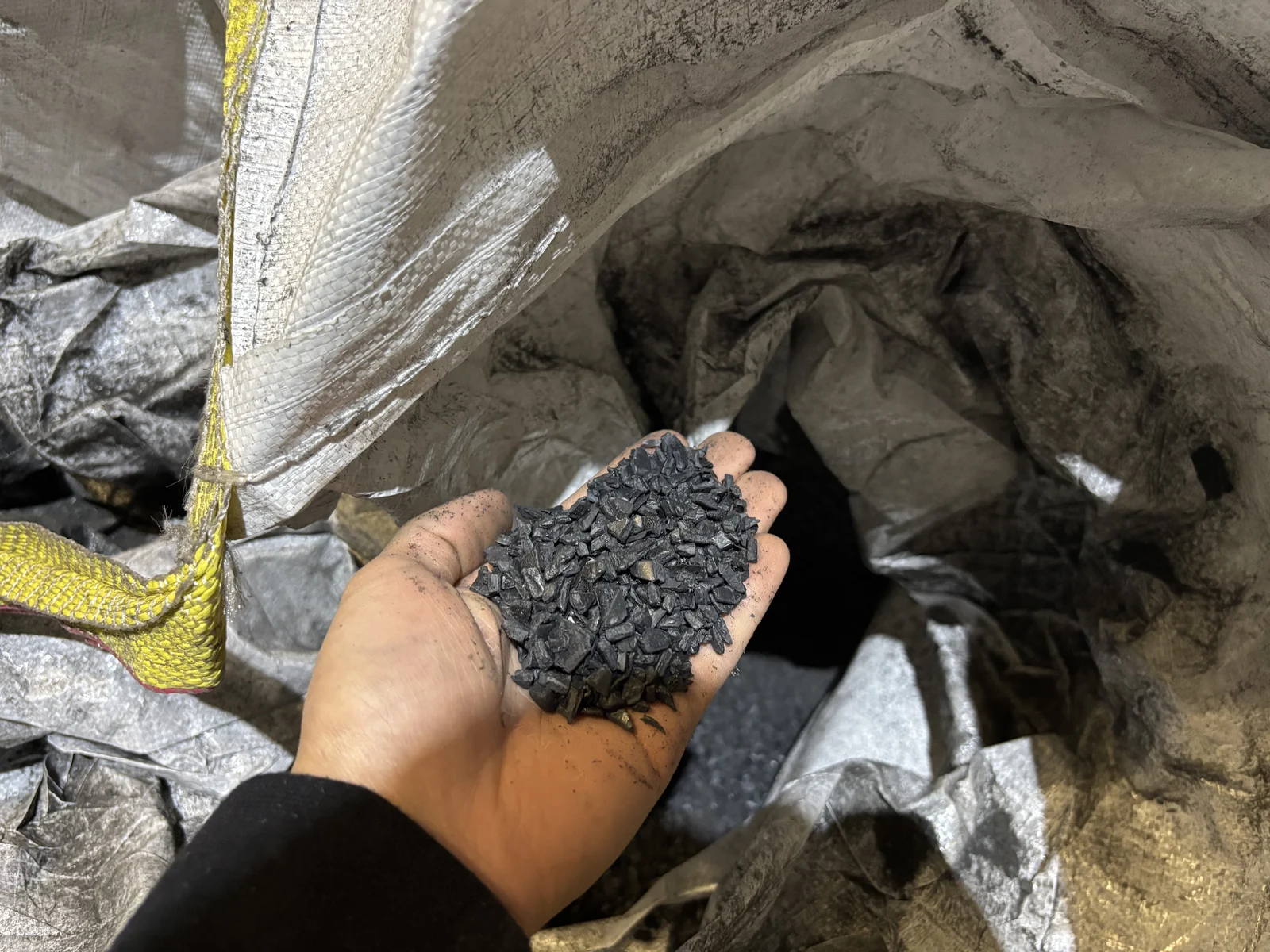
Every bumper we collect from a Scottish bodyshop ends its journey as something called PP regrind. If you've ever wondered what actually happens to your workshop's plastic waste after our van leaves — or you're a manufacturer looking for a reliable source of recycled polymer — this is the article for you.
Polypropylene: the bumper plastic
Most modern car bumpers are made from polypropylene (PP), usually blended for impact resistance. It's one of the most widely used thermoplastics in the world for good reason: it's tough, light, resistant to chemicals, and — crucially — it can be melted down and reprocessed without losing much of what makes it useful. The same goes for many other automotive plastics we collect: wheel arch liners, trims and grilles are frequently PP too.
That's what makes landfilling bumpers so wasteful. The material in a scrapped bumper is not at the end of its life — it's feedstock.
From bumper to regrind: how it's made
Regrind is exactly what the name suggests: plastic that has been ground back down into small flakes or granules ready for reprocessing. At our Hamilton operation the journey looks like this:
- Collection — scheduled pickups from garages, bodyshops and repair centres across Scotland and the North of England, with capacity for over 3,000 bumpers a day.
- Preparation — our operatives strip out the components that don't belong: metal brackets, sensors, wiring, lamps, foam absorbers. This step is what separates good regrind from scrap — contamination left in at this stage ends up in the final material.
- Granulation — the cleaned bumpers are fed through an industrial granulator, reducing them to consistent PP flake.
- Return to industry — the regrind is supplied back into plastics manufacturing, where it's compounded and moulded into new products, including new automotive parts.
What determines regrind quality
Not all regrind is equal, and buyers rightly care about the difference. The factors that matter:
- Polymer purity — a single-polymer stream (PP, not a mixed-plastic soup) is the foundation. Bumpers are a naturally good source because the input is consistent.
- Contamination control — metals, foams and other polymers must come out before granulation, not after. This is why preparation by hand matters.
- Consistency of supply — compounders and moulders need regular tonnage of predictable material, not occasional mixed batches.
- Paint and coatings — bumper paint is a known factor in automotive PP recycling, managed downstream in compounding and processing — another reason traceable, single-stream sourcing matters to buyers.
Who buys PP regrind?
Demand for recycled PP has grown steadily as manufacturers chase recycled-content targets and sustainability commitments. Typical buyers include:
- Plastics compounders, who blend regrind with additives to produce pellets to a specification
- Injection moulders, producing everything from automotive components to construction products, crates and garden goods
- Automotive suppliers closing the loop — car plastic returning as car plastic
For these buyers, the attraction over virgin polymer is a combination of cost, security of supply and verified recycled content for their own customers' targets.
Talk to us — from either side
We sit in the middle of this loop. If you're a garage or bodyshop with bumpers and plastics building up, we'll collect them on a schedule built around your workload — book a collection or call 0141 260 6602. If you're a buyer of PP regrind looking for consistent, single-stream material from a SEPA-registered processor, we'd like to hear from you through the same page.
FAQ
Is PP regrind as good as virgin polypropylene? For many applications, properly prepared regrind performs well, particularly when compounded to specification. The key variables are polymer purity and contamination control during preparation.
Where does your regrind come from? From bumpers and hard plastics collected from garages, bodyshops and accident repair centres across Scotland and the North of England — a consistent, automotive-only input stream.
Can I buy regrind directly from Eco Auto Solutions? Yes — send an enquiry through our contact page describing what you're looking for and we'll come back to you.
What happens to the parts of a bumper that aren't PP? Brackets, sensors, lamps and other non-PP components are stripped out during preparation and routed to their own appropriate streams, so they never reach the granulator.