Buying a Cat S Car: An Inspection Checklist Before You Commit
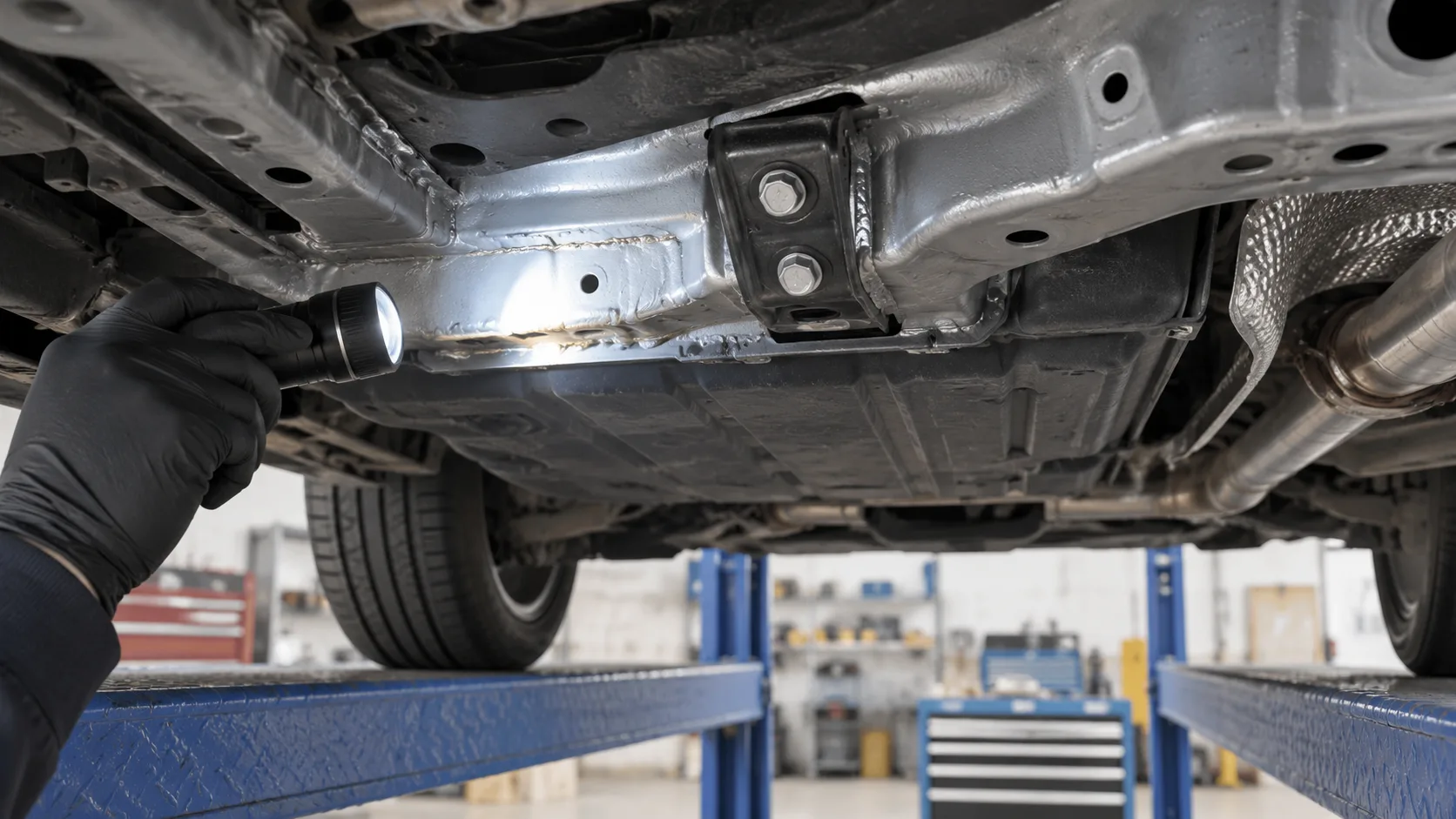
Cat S is the most misunderstood badge in the used-car classifieds. It doesn't mean the car is dangerous, and it doesn't automatically mean it's a bargain. It means the vehicle once took structural damage, an insurer decided repair wasn't economic for them, and somebody has since repaired it anyway — and the job of judging that repair now sits with whoever buys it. There is no government re-test of repair quality for a written-off car, so your checklist is the inspection regime. Work through it before any money moves.
☐ Confirm what you're actually looking at
Run a vehicle history check and read it properly: the category, the date it was recorded, and whether the mileage trail makes sense either side of it. Cat S specifically means structural damage — chassis members, crash structure, the bits that do the work in the next accident — which is what separates it from the cosmetic-and-electrical territory of Cat N. If the distinction is new to you, start with the difference between Cat N and Cat S write-off categories before viewing anything. Check the V5C is present and the keeper history is coherent; a seller vague about either is telling you something.
☐ Demand the repair story, not just the repair
A good Cat S purchase comes with a paper trail: photographs of the damage before repair, invoices for the work, and the name of the business that did it. The questions that matter are who repaired it, to what method, and whether they'd recognisably stand behind it. A professional bodyshop that documents its work will have no difficulty with any of these. "A mate did it" or "it came like this" is not a repair story — it's a gap where one should be.
☐ Inspect the structure, in daylight, on your knees
Structural repair done well is hard to spot; done badly, it leaves fingerprints. Look along each panel for ripples and mismatched paint texture. Check gaps around doors, bonnet and boot for consistency — uneven gaps suggest something underneath isn't where the factory put it. Get underneath: look for kinked chassis legs, fresh underseal hiding work, creased inner wings, and clamp marks from a pulling jig. Inside, confirm every airbag warning light behaves normally at ignition — illuminates, then goes out — and that seatbelts retract crisply. Doors, tailgate and windows should operate without catching; a shell that's out of true announces itself through the things bolted to it.
☐ Ask what parts went back on
A structural repair usually consumes parts as well as labour — panels, bumpers, lights, trim. Ask what was fitted and look for it on the invoices. Genuine OEM parts are not the only legitimate option, but they're the easiest to verify by part number, and a repairer who fitted them often did so economically: trade-surplus genuine stock, like that sold through EAS Parts, lets a quality repair carry manufacturer parts without dealer-counter pricing. What you're really probing is whether the repairer cut corners — and parts choices are where corners show first.
☐ Pay for an independent inspection
If the car passes everything above, spend a little more and have an independent engineer inspect it before you commit — ideally one experienced in post-repair assessment rather than general used-car checks. It is the only item on this list that costs money, and it's the one that can measure what your eyes can't: whether the structure sits within tolerance. A seller who resists an independent inspection has answered your question for you.
☐ Price in the badge, both ways
The category never leaves the car. You must declare it to your insurer — some will cover it without fuss, others take a different view, so get a quote before you buy, not after. And when you sell, the next buyer will discount it just as you did. A Cat S car bought well can be excellent value; a Cat S car bought at nearly clean-car money has no value left in it to find.
Eco Auto Solutions works at the other end of this story — collecting, recycling and reusing what accident repair leaves behind, from bumper collection rounds across Scotland and the North of England to genuine surplus parts. In the trade and dealing with repair volume? We should talk: 0141 260 6602 or send us a message.
FAQ
Does a Cat S car have to pass any official inspection before going back on the road?
No repair-quality inspection, which surprises many buyers. The keeper must notify the DVLA so the record reflects the category, and the car needs a valid MOT like any other — but an MOT tests roadworthiness items on the day, not the standard of a structural repair. That's precisely why the checklist above, and an independent engineer, matter.
Is it a bad sign if the seller is a trader rather than the person who repaired it?
Not by itself — plenty of sound Cat S cars pass through traders. What matters is whether the repair documentation travelled with the car. A trader who can produce the pre-repair photos and invoices is selling the same evidence a repairer would; one who can't is asking you to buy the repair on faith.
Can a Cat S car tow, carry passengers and be used normally?
Once properly repaired, registered and insured, yes — the law places no special usage restrictions on it. The practical caveat is that "properly repaired" is doing all the work in that sentence, which is why the structural checks and the engineer's report come before any plans for the car.
What's the single biggest red flag when viewing?
Fresh, extensive underseal on a recently repaired car. Underseal has legitimate uses, but applied liberally right after structural work it conveniently hides weld quality, filler and alignment evidence — exactly the areas a buyer needs to see. Treat it as a reason to insist on the independent inspection or walk away.