BS 10125: The Accident Repair Standard, Explained for Garage Owners
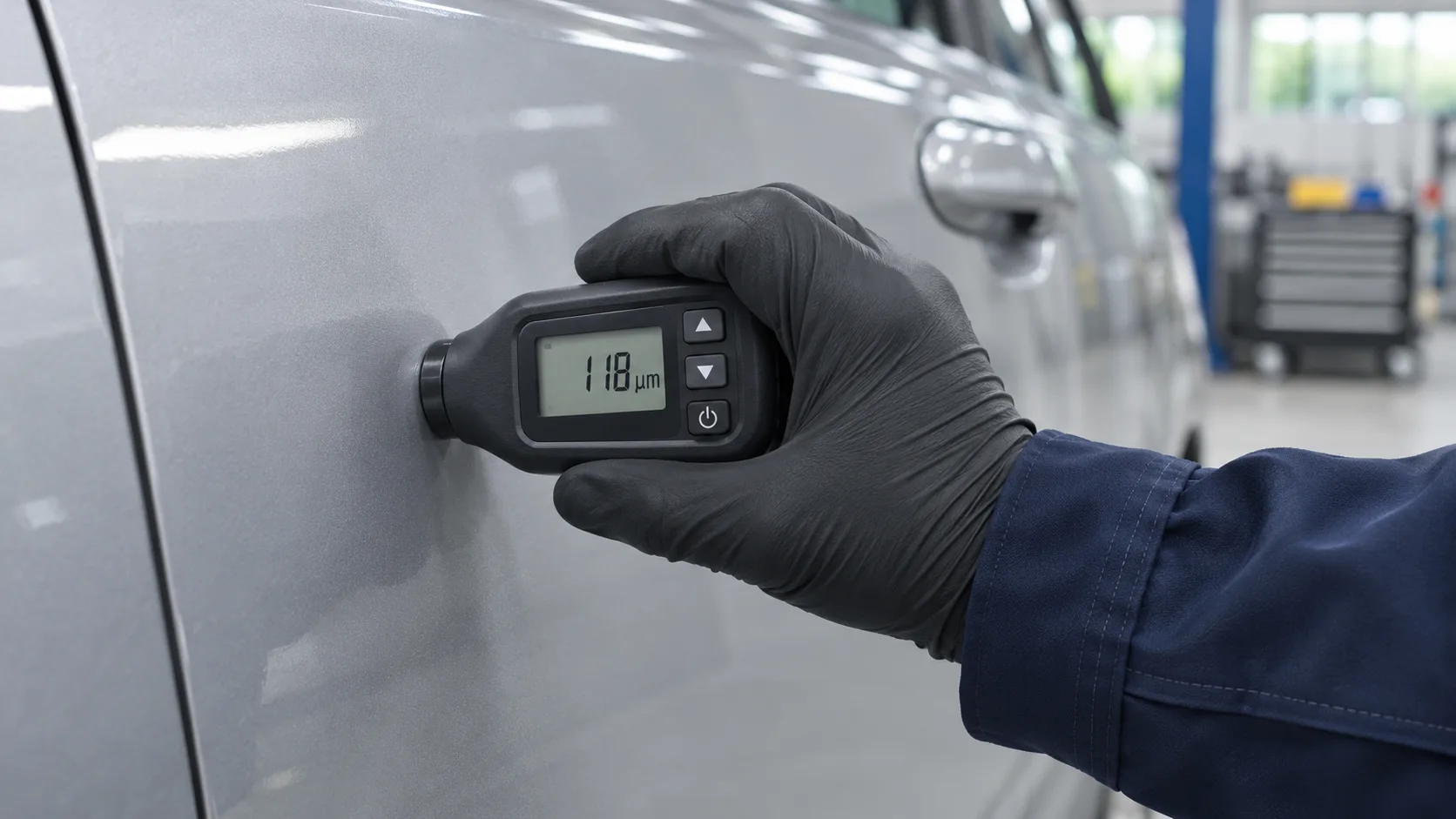
Somewhere behind a large share of the UK's insurance-funded repairs sits a standard most motorists have never heard of. Bodyshops ask about it in shorthand — "are you 10125?" — and the answer shapes which work providers will send cars through the door. This is a plain-language tour of what it is and what it asks of a business.
Where the standard came from
BS 10125 is the British Standard for vehicle damage repair. It grew out of an earlier specification (PAS 125), created when the industry wanted a consistent, auditable definition of a competent crash repair. Rather than prescribing how to fix any particular car, it defines the conditions under which safe, consistent repair becomes the expected outcome rather than a hoped-for one.
What it actually asks of a bodyshop
Strip away the audit language and the standard is interested in four things. People: that the technicians doing structural, panel, paint and mechanical work hold current, verifiable competence that is maintained rather than assumed. Methods: that repairs follow recognised repair methods appropriate to the vehicle, not habit or improvisation — a point that matters more every year as vehicle construction grows more varied. Equipment and materials: suitable, maintained, calibrated where relevant. Process and records: that a repair can be traced — what was done, by whom, to which method, with which parts — rather than reconstructed from memory.
None of that is exotic. A well-run bodyshop does most of it already; the standard's demand is that the business can demonstrate it, continuously, to an outside assessor.
Why insurers and work providers care
An insurer deploying thousands of repairs a year cannot personally vet every site, so certification acts as a transferable form of trust. Evidence of BS 10125 is commonly expected for approved-repairer arrangements, and it shapes the wider conversation about a damaged car too — the same concern for structural integrity and traceable repair sits behind the decisions that sort repairable vehicles from Cat N and Cat S write-offs. For the garage, the commercial logic is blunt: the standard is frequently the ticket to a category of work that is otherwise hard to reach.
The journey, honestly described
Working towards certification usually starts with a gap assessment — comparing what the business does against what the standard requires — followed by a period of closing those gaps: documenting processes that existed only in people's heads, bringing training records up to date, tightening how methods and materials are controlled. Then comes an initial audit by a certification body, and after it, the part owners underestimate: surveillance. The standard is held, not won; periodic reassessment means the systems have to keep running when nobody is visiting.
The honest cost is less the audit fee than the discipline — and the honest return is that the discipline pays for itself in fewer reworks, clearer accountability and a business that doesn't depend on one person's memory.
The standard stops at the car. Your obligations don't
One thing BS 10125 won't do is manage your waste compliance — yet an assessor, an insurer and an environmental regulator all read the same yard. Every repair that meets the standard still generates its own by-products: the replaced panels, the stripped trims, the bumper that was beyond saving. The duty of care under section 34 of the Environmental Protection Act 1990 applies to all of it, with SEPA regulating in Scotland and the Environment Agency in England, and the tidiest version of discharging it mirrors the standard's own logic — defined routes, clean segregation, records at every step. A dedicated bumper collection for the highest-volume item, and a segregated plastic waste collection for liners, trims and grilles, give the waste side of the operation the same traceability the repair side is being audited on.
Eco Auto Solutions supports certified and aspiring bodyshops across all of Scotland and the North of England — if the waste side of your operation should run as tightly as the repair side, ring 0141 260 6602 or drop us a line via our contact page.
FAQ
Is BS 10125 a legal requirement for bodyshops?
No. It is a voluntary standard, not legislation — a garage can trade lawfully without it. Its force is commercial: many insurers and work providers expect it for approved-repairer work, so the practical question is about the work you want, not about staying legal.
How is BS 10125 different from ISO 9001?
ISO 9001 is a generic quality-management standard any business can hold; BS 10125 is sector-specific, written for vehicle damage repair and concerned with repair methods, technician competence and equipment in that context. Some bodyshops hold both, but one is not a substitute for the other.
Does certification cover the whole business or individual repairs?
Certification attaches to the site and its processes, not to each repair individually. The point of the surveillance regime is that any repair passing through a certified site should have been produced under the audited system — which is exactly why assessors look at records and competence rather than inspecting single cars.
What usually trips bodyshops up on the way to certification?
Rarely the craft. The common gaps are evidential: training records that lag reality, methods followed but not documented, calibration that happens but isn't logged. Most sites find the fix is administrative discipline rather than new investment — proving what they already do.