Buying a Cat N Car: What the Category Really Means for Repairs and Parts
Of all the letters that can follow the word "Category" in a used-car listing, N has generated the most confident folklore. Buyers trade it in forums, sellers repeat it across the bonnet, and much of it manages to be wrong in both directions at once — too frightened and too relaxed. So here is the folklore, one claim at a time, with the reality alongside.
Myth: "Cat N means the damage was minor"
What the letter actually promises is narrower than that. N stands for non-structural: the insurer's assessment found the crash structure — the parts engineered to do the work in the next accident — undamaged. Everything else is in play. Electrical systems, suspension and steering components, deployed airbags, a flood-soaked interior: all of these can sit behind a Cat N marker, and some of them are both expensive and safety-relevant. If you're still weighing N against its structural sibling, start with the full comparison of Cat N and Cat S write-off categories — but never read "non-structural" as "nothing serious".
Myth: "It must have taken a big hit to be written off"
A write-off is an economic verdict, not a severity rating. A modern front corner is some of the most expensive real estate on the car: a bumper skin concealing parking sensors and radar, a headlight unit carrying more electronics than a nineties dashboard, then paint, blending and recalibration on top of the parts bill. On a mid-life car, one unhurried meeting with a bollard can push the repair estimate past what the insurer is prepared to pay, and the result is a Cat N with barely a story to tell. We watch this arithmetic play out every working day, in the bumpers stacked on our bumper collection rounds and the units that fill our headlight collection cages.
Myth: "Somebody will have checked the repair"
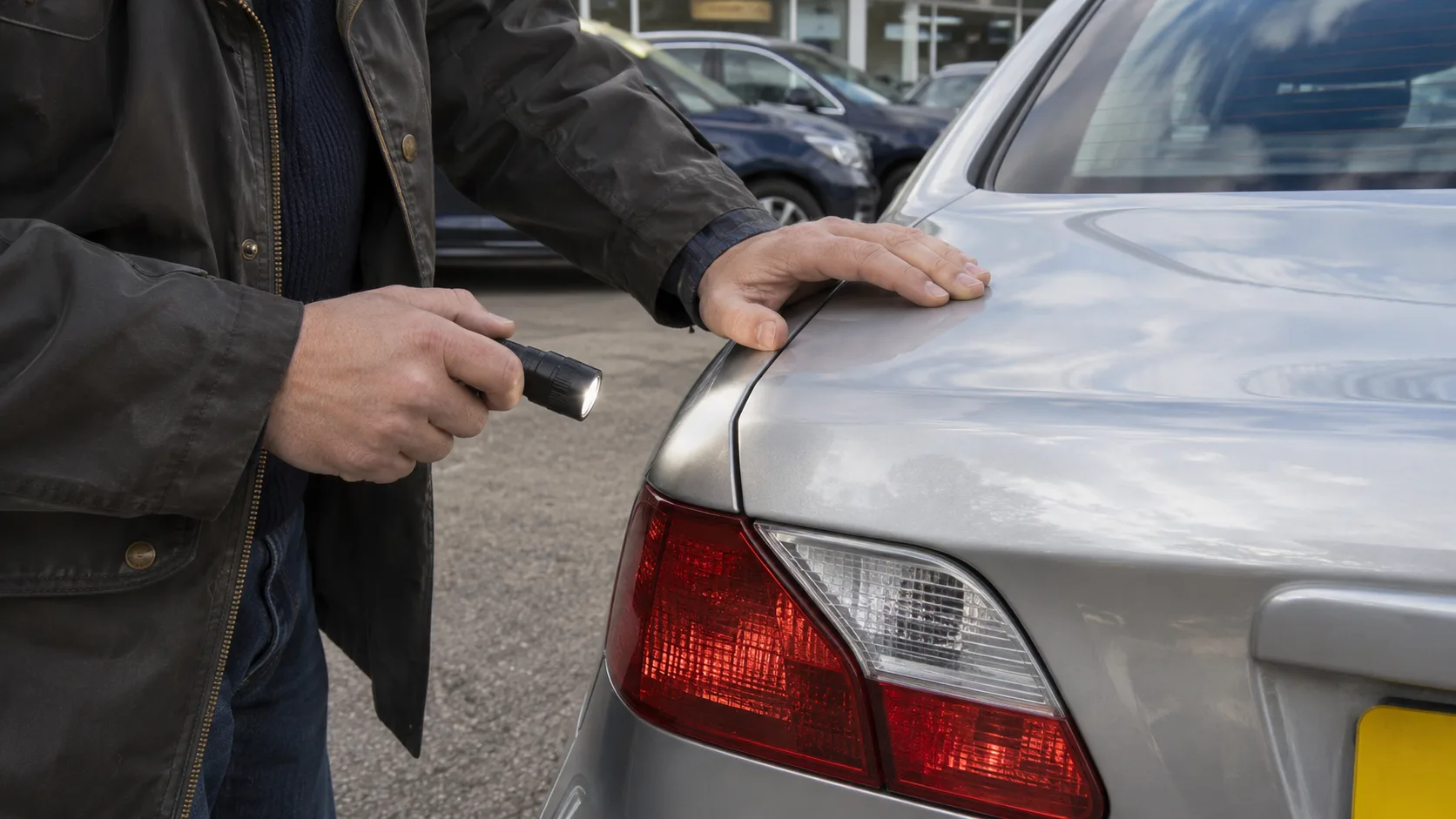
The category records a decision, not a repair. No scheme re-inspects a Cat N before it returns to the road. Some Cat N cars are repaired to a high standard; some are patched to sell; some are sold unrepaired, straight out of salvage. The word "repaired" in a listing is a claim, and claims need evidence: photographs of the car as it was, invoices for what was done, and a named business content to be associated with the work. A seller who offers adjectives instead of documents has told you where you stand.
Myth: "The parts will have been the cheapest available"
Sometimes true, never inevitable — and the invoices settle it. Part numbers are checkable, and genuine parts in particular can be verified line by line against what the car wears now. Nor does genuine have to mean dealer-counter money: a healthy trade in surplus genuine OEM stock, of the kind sold through EAS Parts, means a careful repairer can fit manufacturer parts at sensible cost. What should worry you is not any one parts choice but a seller who cannot say what was fitted at all.
Myth: "Once it's fixed, the letter stops mattering"
The marker is permanent. It must be declared when you insure the car and disclosed when you sell it, and the next buyer will discount for it exactly as you should now. None of this makes a Cat N a bad buy — it makes it a car whose price has to carry the category twice, coming and going. The mistake isn't buying one; it's paying clean-car money for one.
Where that leaves a buyer
Strip the folklore away and the method is short: confirm the category on a history check, demand repair evidence rather than repair adjectives, have anything unexplained inspected independently, and get your insurer's answer before committing rather than after. A Cat N bought on evidence at the right money is one of the quieter bargains in the used market. Bought on folklore, it's somebody else's problem with your name on the V5C.
Eco Auto Solutions works at the far end of these economics — recycling the plastics that write cars off, across all of Scotland and the North of England, and trading the genuine parts that put them right, UK-wide. If you're in the repair trade rather than the showroom, tell us what crosses your yard or call 0141 260 6602.
FAQ
Will a Cat N marker always show up on a history check?
A standard vehicle history check queries the insurance-industry records where write-off categories are logged, so a properly recorded Cat N will appear. It does not appear on the V5C itself — which is exactly why the check matters, because the document in the seller's hand can look identical to a clean car's.
Can a car become a Cat N without any accident at all?
Yes. Flood damage, fire confined to the electrics, vandalism and theft recovery can all produce a non-structural write-off. Treat these with their own caution: water and electrical damage are harder to assess by eye than a replaced panel, so the evidence trail matters even more than it does for a parking knock.
Is insuring or financing a Cat N harder?
It varies more than buyers expect. Some insurers cover Cat N cars on ordinary terms, others apply conditions or decline, and many lenders take a cautious view of any recorded write-off. Get an insurance answer and, if borrowing, the lender's position on the specific car before you commit.
Can the Cat N record ever be removed after a first-class repair?
No. The category reflects a historical event and stays with the vehicle for life. An independent inspection can document the quality of the repair and reassure the next buyer, but no inspection, valuation or appeal deletes the marker.